
01
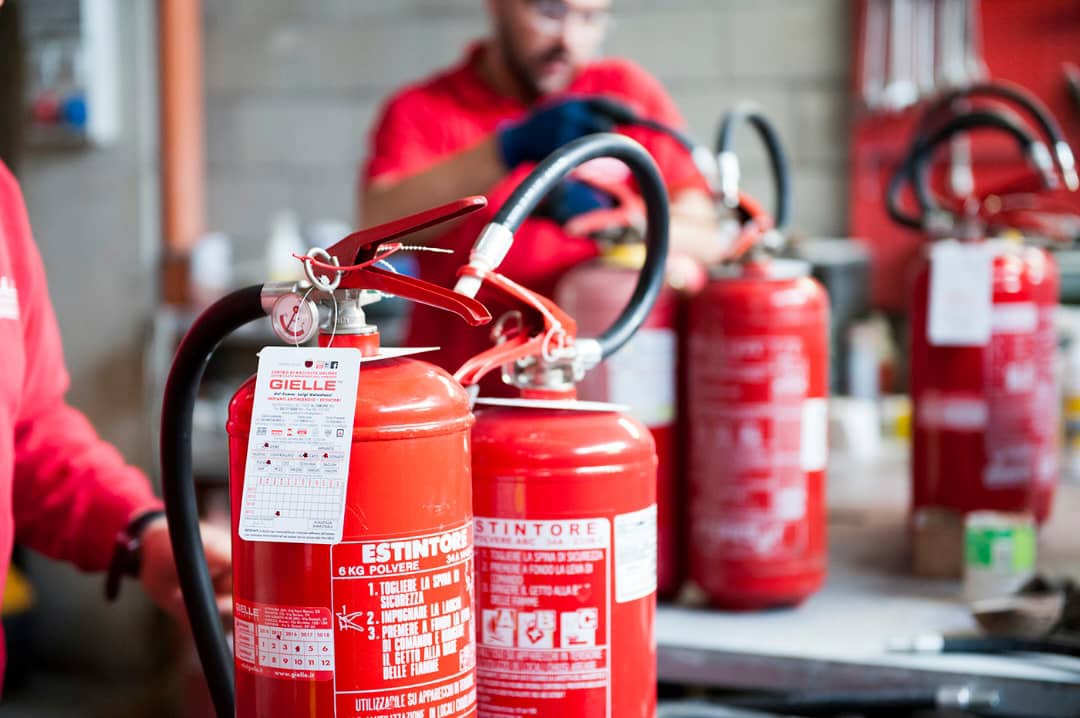
Safety Safety Total provides a full range of hand-held certified waste, vehicles and trucks with water, foam, fire powder, hydrocarbons and carbon dioxide associated with a package of maintenance services providing an integrated end-of-end service. The fire extinguisher is an easy way to use, but to obtain the best performance, the user needs to be familiar with specifications, technicality and the limits of use resulting from the fire agent contained therein.Certified fire extinguishers for all types of usesFirst class, standard fuel, second class fuel, combusible third-degree fuels, combusible gases, fourth-degree combustionable metals, fifth-degree electrification devices under the influence of the sixth-degree electric effort, cooking oils and fat. The first minutes of the fire are of the utmost importance that fire extinguishers are considered to have exclusive primary intervention; It thus allows for effective intervention in the first-stage fire extinguishment process; however, the importance of the first minutes of the fire in determining the magnitude of the damage that may result from it should be noted, and the effect of the fire extinguishing is therefore of great importance after good practice.Types and usesMobile fire extinguishers can save many lives and houses by extinguishing the fire through effective containment, yet their quality must be well matched with the type of fire and must be properly used.Fire extinguishers with powderIt consists of a casing of compressed steel plates with an inert gas or antenna with a pressure of 12 bars (use temperature at 20 °C) and contains a chemical powder consisting mainly of salt compounds such as: potassium pyrocarbons for dual-use powder with second and third-rate fires. Ammonium sulphate and monomium phosphate of the three-tier buder for the first, second and third-degree fires, with the addition of other material with certain characteristics, such as liquidity, humidity resistance and water harvesting, can summarize the impact of the powder dumping on the fire in: suffocation, cold, combusing the unburned parts and then halting the fire.Wet chemical wasteThey are not considered effective with second- or third-degree fires and are dangerous when used with fifth-degree fires. (Sixth degree) provide protection against fires involving cooking oils and fat. Protection from first-class fires is also provided. No other type of waste has the capacity and effectiveness to combat fires involving cooking oils or heavy fat.Water extinguishersIt consists of a cylinder made of steel chips and treatment against erosion, and it contains water as a fire extinguisher; it is usually congested or permanently filled with gas, or when used through a carbon dioxide-containing internal cylinder hole, water waste is currently being used to extinguish first-class fires. Typically, the contents of the spectrum are not pure water, but from water with materials that extend the impact of water clouds and their sub-capacity.Fire extinguishers with foam.It consists of a steel chip tank, which is treated against erosion and whose content consists of a 3- to 10% light linguistic liquid in water, which can always be pressured or pressured upon use, thanks to a small cylinder containing carbon dioxide placed under the floating hole, which is discharged when necessary through a low metal needle on the fuze collection. Foams can be used on first- and second-class fires and are used in the ship industry sector in particular; they should never be used on electrical control panels or fourth-degree fires or chemical powders that interact with water.Carbon dioxide fire extinguishersCarbon dioxide fire extinguishers are commensurate with the extinguishing of second- and third-degree fires; as they are inactive gas and electrical (invasive nature), firefighting rules are required to be installed near the electric plates, when used, CO2 gas releases content inside the spectrum by internal pressure of approximately 55/60 bars (in a 20°C temperature). Carbon dioxide waste is undoubtedly the most effective, especially in respect of electrical organisms, transformers, etc., given its rapid impact, given its best technicians and technicians, Safety Total has the capacity and expertise to provide the best integrated fire prevention solutions.Total ' s embassy provides a full range of hand-held certified waste, vehicles, water, foam, fire powder, hydrocarbons and carbon dioxide associated with a package of maintenance services providing an integrated end-of-life service, fire extinguisher...