
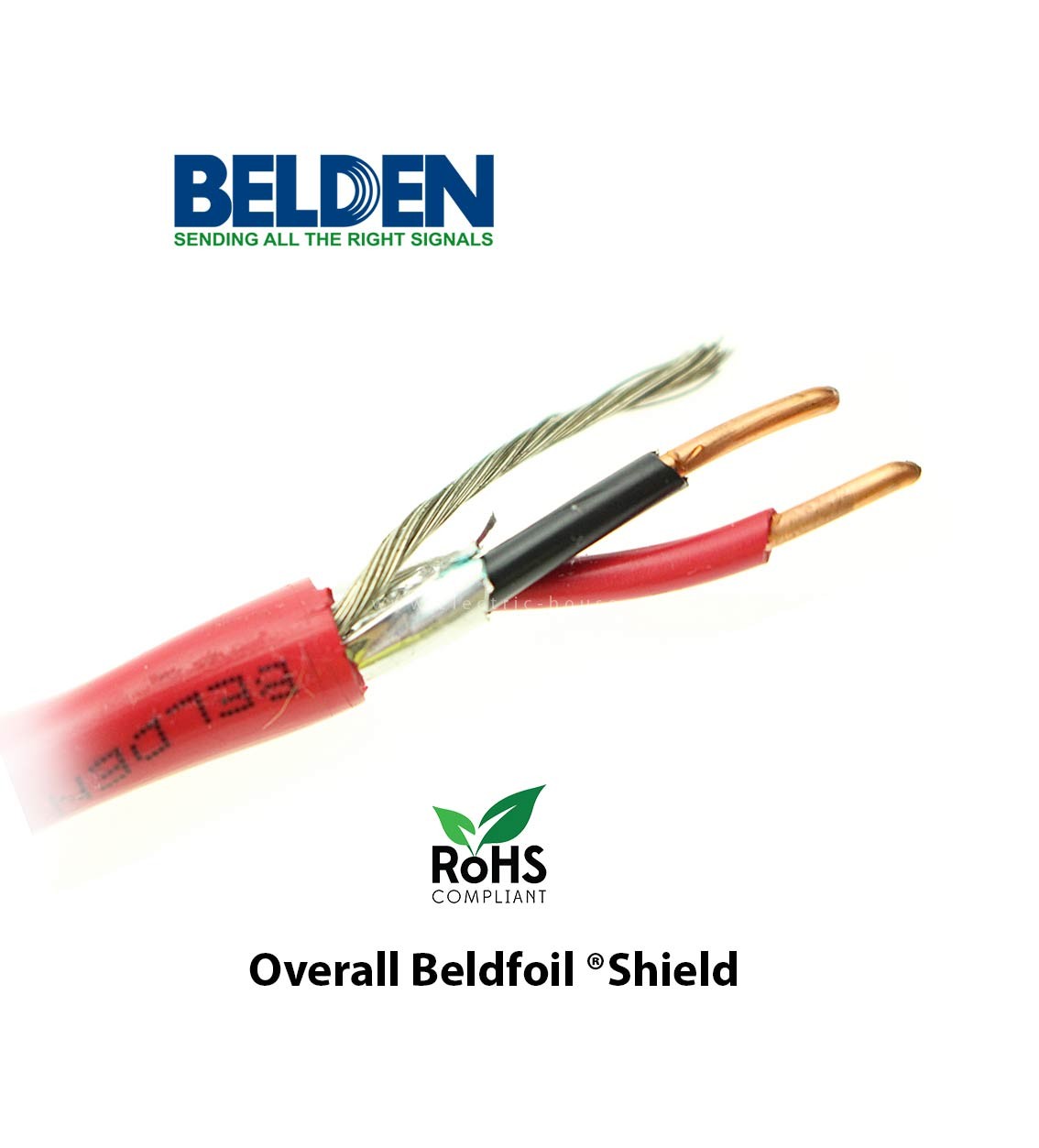
Fire-Resistant Cables for Fire Alarm Systems
The use of fire-resistant cables in security systems is an overview of the requirements of fire-resistant cables that have been developed to increase safety and reduce fire hazards in other factories and buildings. This article explains what it needs to know about these fire-resistant cables. The use of fire-resistant cables makes this possible; technological advances along with amendments to the national electricity code (NEC) have led to the development of fire-resistant cables for fire alarm systems and other emergency systems. These fire-resistant cables must meet NEC CI requirements and must also pass IEC 60331. Instead, energy continues to move across the circuit, directed towards fire pumps, elevators, smoke control equipment, fire alarm systems and other emergency systems necessary to maintain the safety of personnel during emergencies. NEC requests that these services continue to operate for two hours during the state of emergency. In order to evacuate the building, firefighters use their fire extinguishing equipment, emergency communication, care facilities, such as hospitals, to evacuate patients, vulnerable or disabled persons, an overview of the requirements of fire-resistant cables, although in-depth analysis is outside this article, we will give you a basic overview of the contents of article 728. Section 728.4 requires that " fire-resistant cables, fire-resistant connections and components must be tested and integrated as a complete system and must be allocated for use in a specific fire classification system and must not be interchangeable. " Looking for key/critical articles of fire-resistant cables in security systems, an overview of the requirements of fire-resistant cables The latest update: 5 January, 2,20220140 minutes. Fire-resistant cables have been developed to increase safety and reduce fire hazards in other factories and buildings. This article explains what it needs to know about these fire-resistant cables. Technological advances along with amendments to NECC have led to the development of fire-resistant cables for fire alarm systems and other emergency systems. These fire-resistant cables must meet NEC CI requirements and must also pass IEC 60331. Instead, fire-resistant cables will not be closed as soon as a fire occurs. This force is directed towards fire pumps, elevators, smoke control equipment, fire alarm systems and other emergency systems necessary to maintain the safety of personnel during emergency situations. NEC requests that these chambers continue to operate for two hours during the state of emergency. This gives the additional time that may be necessary to: so that people evacuate the building, the use of firefighting equipment for fire suppression. Care facilities, such as hospitals, for the evacuation of patients, vulnerable or disabled persons, an overview of the requirements of fire-resistant cables although in-depth analysis is outside the scope of this article, but we will give you a basic overview of the contents of article 728. Section 728.4 requires that " fire-resistant cables, fire-resistant connections and components must be tested and integrated as a complete system and must be assigned to a specific fire classification system and should not be interchangeable. " Article 728 also includes the installation of fire-resistant cables outside fire-resistant rooms [728.5 (A)]. Watercourses and connections [728.5 (C)]. Cable loads [728.5 (D)]. How to merge the funds into the fire-resistant system [728.5 (E)], support for connectors and cables in the vertical watercourses [728.5 (G)]. Compliance with Article 728 NEC is absolutely necessary in the installation of fire-resistant cables. The types of fire-resistant cables let us take a look at different types of insulated metal cables (MI) that have been in fire-resistant cables since 1896; they can have unilateral or multiple designs; they are made of solid copper and magnesium oxide; the fire-resistant cables have passed a UL 2196 test with excellent reputation. Some of the benefits of MI cables are as follows: the metal cover protects the wires from the harmful effects of oxidation. This advantage is essential for wet preparation or for use of chemicals. MI cables will not be eroded, thereby reducing the risk of having to replace these fire-resistant cables that enhance safety in conditions such as nuclear stations where the task of replacing fire-resistant cables is dangerous, given their isolated design, they will not burn like MI cables. Instead, they will continue to optimize even when high temperatures are met. Although it has many advantages, MI cables are difficult to build, this difficult project requires the skills and knowledge of the expert. There is also a need for specialized tools to give the final job an attractive appearance of MC cables, but most of them are made of three isolated lines covered by gauge. 14 gauge. The benefits of MC cables are described below: these fire-resistant cables are easier and safer to work with.MC cables are made of flexible material, which is easily installed, they have passed NEC requirements and they have a two-hour fire classification.
- Support
- Technical follow-up